
The Wonderful Indonesia - Bali & Sumba
19 Days / 18 Nights HotelsExcursionsFlight
Pupuan • Munduk • Sidemen • Sumba round trip • Ubud
Price from: Rp 33.400.000 / EUR 1.725

Sumba Island is one of Indonesia’s most remote and beautiful destinations - a place where time slows down, and nature speaks loudly. Unlike Bali’s vibrant buzz, Sumba offers wild beaches, rolling hills, traditional villages, and a deep cultural heartbeat shaped by the ancient Marapu belief system.
Sumba is located east of Bali and is easily reached by a 1h domestic flight. That makes it a perfect addition to your Indonesia adventure - especially on a Bali & Sumba package tour.

Our Bali & Sumba package tour is just one option. We also create tailor-made Sumba itineraries of any length, customised to your interests and budget.
Contact us for special requests.
Pupuan • Munduk • Sidemen • Sumba round trip • Ubud
Price from: Rp 33.400.000 / EUR 1.725
If you're dreaming of a place that still feels real, raw, and refreshingly off the radar - Sumba Island might just be your perfect escape.
Sumba welcomes you with wide-open landscapes, wild beaches, and a peaceful rhythm of life that invites you to slow down and breathe.
Imagine golden savannah hills, towering cliffs, empty white-sand beaches, and waterfalls hidden deep in the jungle - all untouched and gloriously free of noise. Sumba’s nature is wild and honest, and its beauty lies in the space, silence, and sense of freedom you feel when you're there.
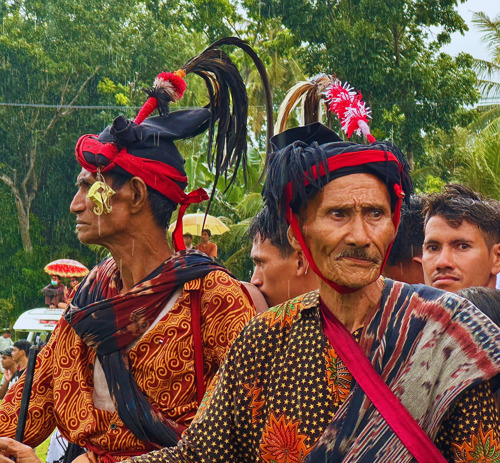
But Sumba is more than scenery. It’s a place where ancient culture lives on, where traditional villages, stone tombs, and the spiritual Marapu belief system still shape daily life. Visiting Sumba means meaningful encounters with locals who welcome you with pride and authenticity - no tourist show, just real life.
Whether you’re exploring the island on a private tour, riding past rice fields, or staying in an eco-lodge by the sea, Sumba offers a rare mix of authenticity, nature, and soulful travel. It’s ideal for those who seek off-the-beaten-path adventures, mindful holidays, or just time to reconnect - with nature, with people, with yourself.


The easiest and most rewarding way to explore Sumba is through a package adventure tour starting from Bali. Many travelers choose to combine the best of both islands in a Bali & Sumba round trip, allowing for a seamless experience with domestic flights, handpicked hotels, private transfers, and guided excursions all arranged for you.
Sumba has two main airports - Tambolaka (TMC) in the west and Waingapu (WGP) in the east. From Bali, Denpasar airport flights take about 1 hour, and we’ll make sure you're picked up upon arrival.
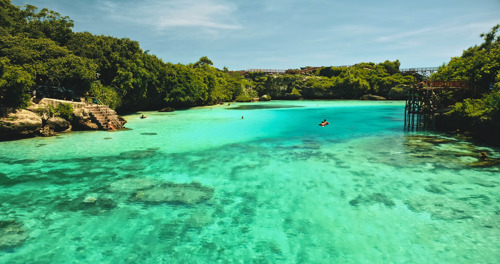
A 7-day tour in Sumba gives you enough time to visit highlights like Weekuri Lagoon, traditional villages, and remote beaches - while still having space to relax and enjoy the island's peaceful pace.
We can arrange any travel combination you’d like - from authentic eco-stays to stylish beachfront hotels - and build a custom holiday package around your interests and timing. Contact us and let's us tailor your Sumba holiday
Eastern Indonesia, Far from Mass Tourism Routes
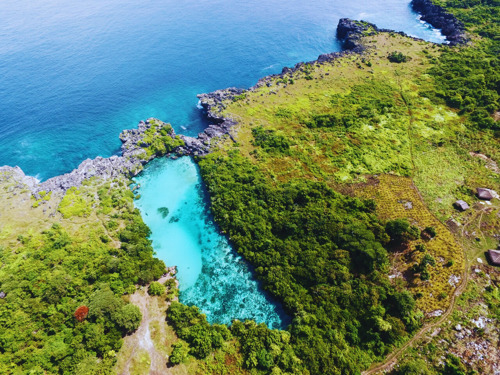
Sumba Island is located in East Nusa Tenggara Province, east of Bali and south of Flores. It is surrounded by the Indian Ocean, which contributes to its rugged coastlines and dramatic scenery.
Its distance from Indonesia’s main tourism hubs has helped protect Sumba from rapid development. While Bali and Lombok have become major travel centers, Sumba remains quietly positioned outside mainstream travel routes.
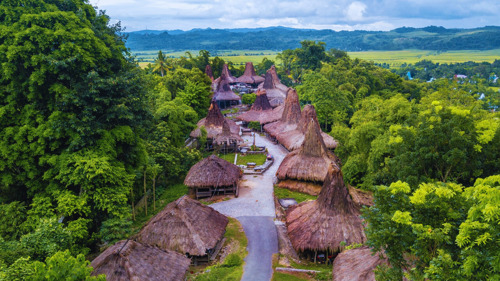
This remoteness creates a sense of discovery. Travelers often feel they are exploring a destination still untouched by time, where landscapes stretch endlessly and villages remain deeply connected to tradition. Despite its remote feel, Sumba is accessible by domestic flights, making it a hidden yet reachable paradise.
Pure Landscapes, Limited Tourism & Timeless Atmosphere
Sumba Island is considered one of Indonesia’s last untouched islands due to its low tourism density and minimal large-scale development. Unlike more popular destinations, Sumba has preserved wide-open spaces, natural coastlines, and traditional village life without heavy commercial influence.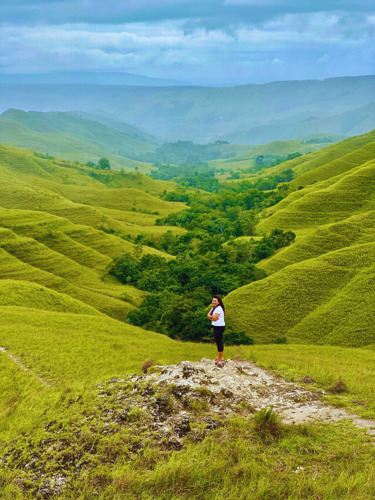
The island’s geography plays a key role in its untouched character. Rolling savannah hills, limestone cliffs, and long stretches of empty beaches dominate the landscape, creating a feeling of freedom and isolation that is increasingly rare in modern travel.
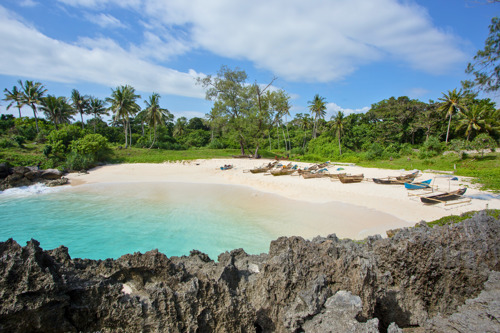
Infrastructure in Sumba has been developed slowly and thoughtfully. Roads, resorts, and tourism services are designed to blend with the environment rather than transform it, helping maintain the island’s natural balance.
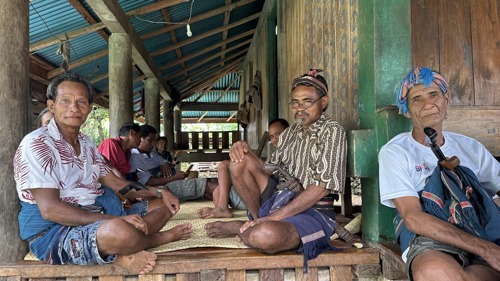
For travelers seeking silence, authenticity, and unspoiled beauty, Sumba offers a destination where nature and culture remain beautifully intact.
The best time to visit Sumba Island is during the dry season from April to November, when the weather is sunny and ideal for exploring beaches, landscapes, and traditional villages.
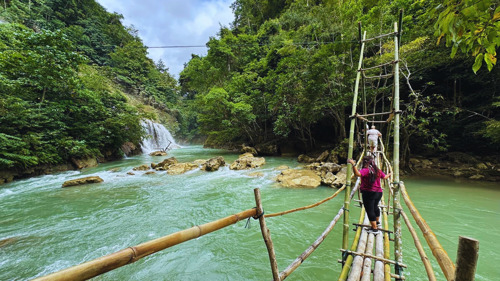
This period offers calm seas, easy access to remote areas, and the best conditions to experience Sumba’s wild and untouched beauty.
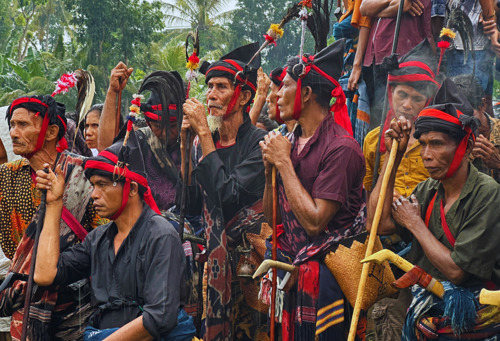
The wet season (December to March) brings lush scenery and fewer visitors but can include heavy rain and rougher seas.
Weekuri Lagoon
A natural saltwater pool with crystal-clear turquoise water
Mandorak Beach
Small, hidden beach with white sand and dramatic rock formations
Bwanna Beach (Mbawana)
Iconic for its massive stone arch and golden sand
Ratenggaro Traditional Village
Sumba’s unique architecture with high thatched roofs and ancient stone graves
Praijing Traditional Village
A living cultural site nestled in the hills
Lapopu Waterfall
One of Indonesia’s tallest waterfalls, surrounded by lush jungle
Wairinding Hill
Rolling green hills as far as the eye can see
Puru Kambera Savanna
Dry, wide-open grasslands home to wild horses
Pasola Festival Grounds (Feb–Mar)
Witness the legendary Pasola - a traditional horseback spear-fighting ceremony
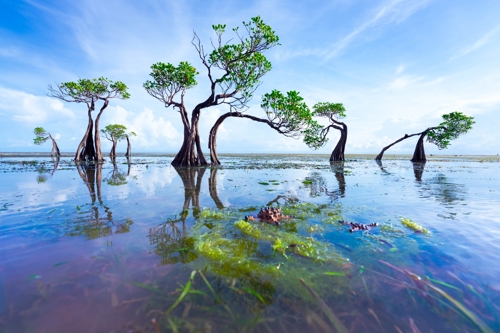
Walakiri Beach
Known for its "dancing mangrove trees"
Sumba is famous for its wild horses, a unique and iconic part of the island’s cultural identity. These horses, known as “Sandalwood Ponies”, are believed to have descended from ancient breeds brought over centuries ago through trade routes with India, China, and the Middle East.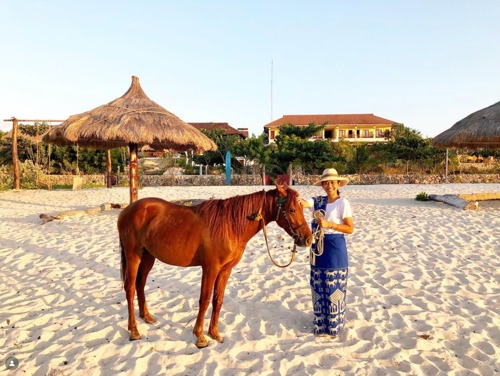
What makes them special is not just their beauty and agility, but their deep connection to Sumba's traditions.
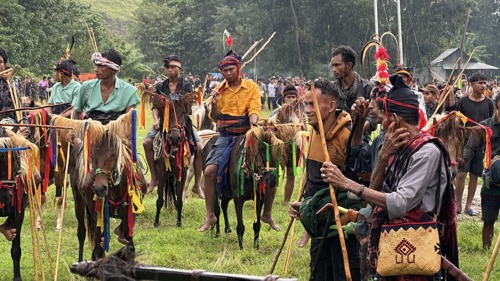
Horses play a vital role in local ceremonies and rituals, especially the Pasola Festival - a dramatic horseback spear-fighting event held annually in West Sumba to mark the rice planting season.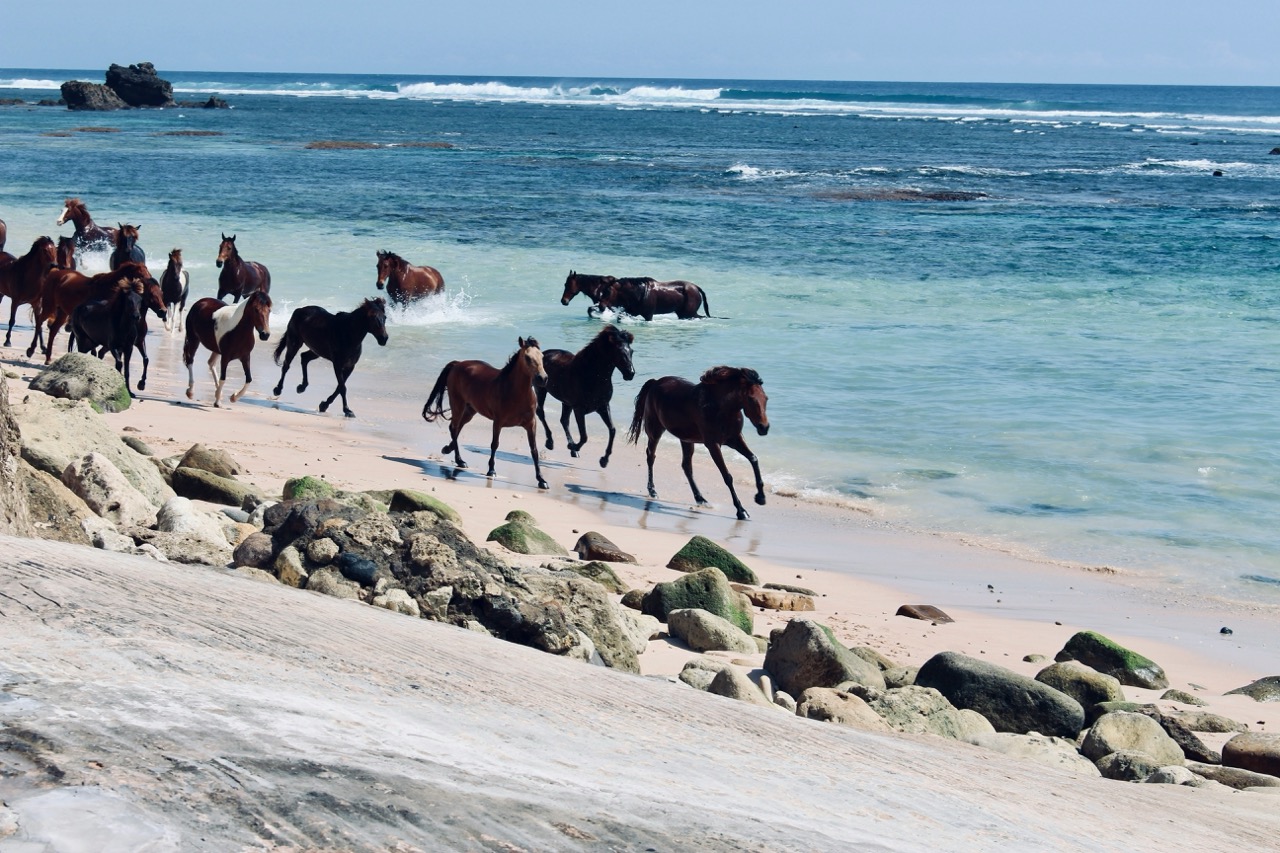
You’ll often see these semi-wild horses roaming freely across Sumba’s savannahs and beaches, especially around Kodi and Wanokaka. Their presence adds to the island’s untouched, mythical feel and is one of the reasons Sumba is such a unique destination in Indonesia.

From charming local stays to luxury resorts, we offer accommodation for every budget. The hotels below are only a small selection of the many options available for your Sumba adventure.
Mario Hotel Sumba | Modern Comfort by the Coast of Southwest Sumba
Rua Beach Resort Sumba | Secluded Coastal Retreat in West Sumba
Kambaniru Beach Hotel & Resort - enjoy a relaxed seaside stay in East Sumba
Cap Karoso is one of the most talked‑about places to stay on Sumba, and for good reason!
Ketanu Bamboo Lodge - A thoughtful ECO stay on untouched Sumba
Get in touch and we'll create a tailor-made adventure, designed around your interests, travel style and budget.


